An interview with Barbara Loe Fisher. Video courtesy of Mississippi Public Broadcast.
Effects
DPT, the advocacy campaign, unleashed a deluge of lawsuits. Pharmaceutical companies abandoned the production of vaccines, out of fear of legal repercussions. By 1984, only one company remained, and two years later, after a major lawsuit, it ceased pertussis vaccine production and distribution. The government had a major crisis on its hands.
A 1976 newspaper special for the New York Times describes the decrease in vaccine producers. Newspaper courtesy of New York Times Archives.
On the last day of the Ninety-Ninth Congress, the “National Childhood Vaccine Injury Act” was passed to protect vaccine makers, and President Reagan signed it into law. The law included the Vaccine Injury Compensation Program, allowing children to be compensated without going to state courts and capping the settlement to $250,000.

“The moral justification for compensation…is based on the social contract. National immunization programmes not only aim to protect the individual but also to protect society. … If individuals are asked to accept a risk (even a very small one) partly for the benefit of society then it seems equitable that society should compensate the victims of occasional unlucky mishaps.”
— Rosemary Fox, an advocate and founder of the Association of Parents of Vaccine Damaged Children, a British movement analogous to the U.S.’s DPT movement
Most importantly, it protected pharmaceutical companies from litigation, to encourage vaccine producers to continue researching and developing vaccines. This marked the first time the American public had been involved in making vaccine policy and creating legislation that monitored licensed vaccines, mandated reporting adverse reactions, and established a federal record-keeping agency regarding vaccines.
Yet, Fisher, a gifted organizer and powerful communicator, was the driving force behind the vaccine safety movement. Possessing a strong, pioneering spirit and trial-by-fire attitude, she was skeptical of public health. This sentiment provided fertile ground for vaccine hesitancy.
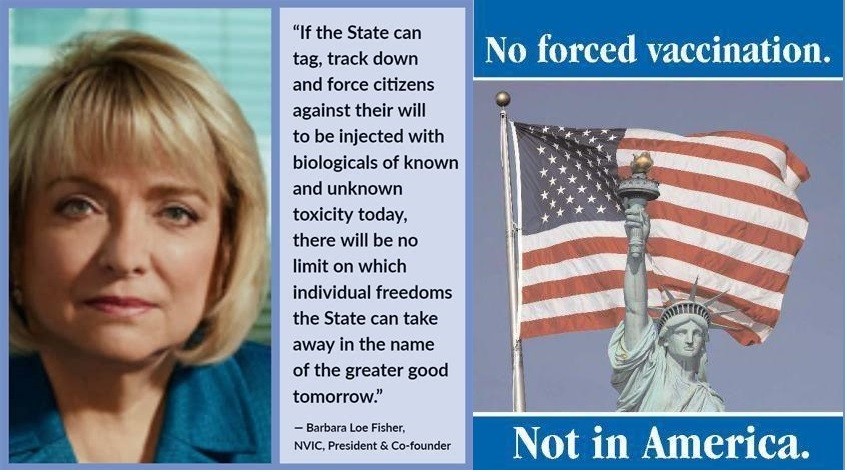
This poster is of Barbara Loe Fisher and her motto of "No forced vaccination." Image courtesy of Health Impact News.
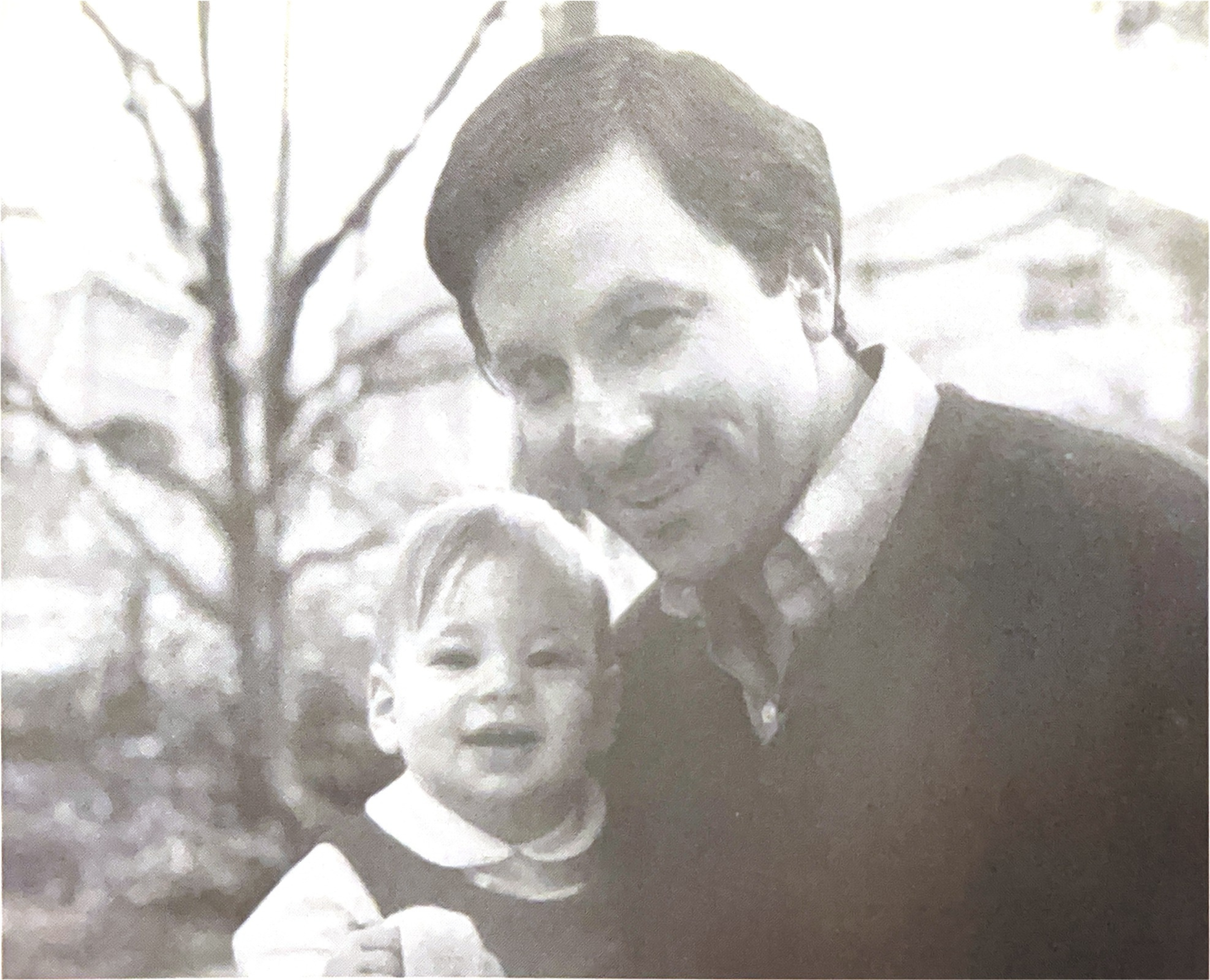
“Barbara [Loe Fisher] came basically from a kind of conservative libertarian background. I was sort of a liberal statist... Barbara tended to look at it like...'Who's responsible for the health of my child—me and my husband, or the government?'”
— Jeffrey Schwartz, the third leader of the DPT organization
Left: A photograph of Jeffrey Schwartz and his three-year-old daughter, Julie, who died during a seizure. Image courtesy of Arthur Allen.